
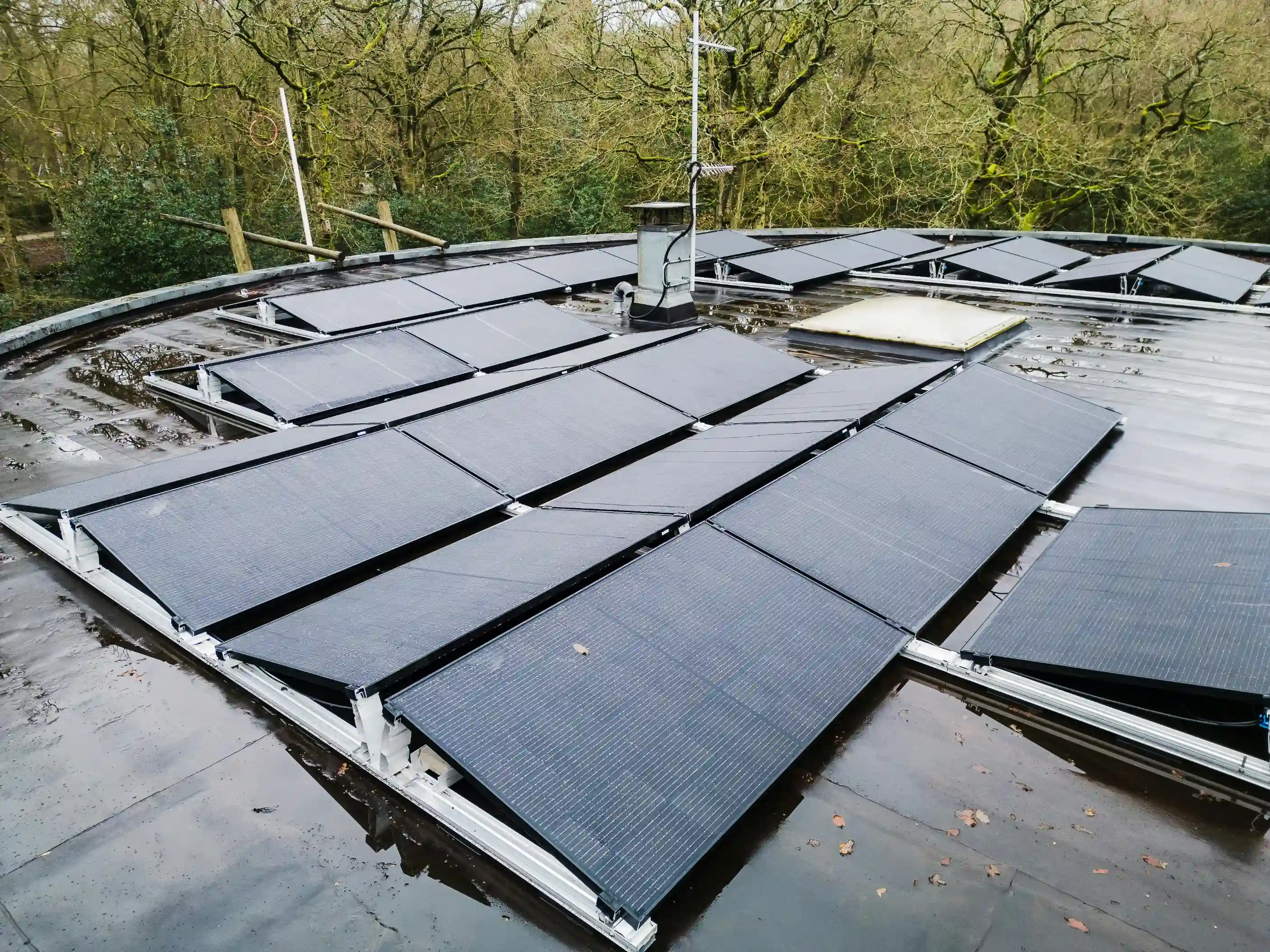
Sustainable off-grid water pumping solutions powered by the sun
Solar pump systems provide a modern, cost-efficient, and environmentally sustainable method of extracting water from boreholes using solar energy. In Kenya, where electricity access in rural and remote areas can be unreliable or expensive, solar-powered water systems offer a dependable alternative for continuous water supply.
These systems convert sunlight into electrical energy through photovoltaic panels, which then power submersible or surface pumps. This eliminates the need for grid electricity or fuel-powered generators, significantly reducing operational costs while ensuring uninterrupted water access for domestic, agricultural, and commercial use.
Our solarization solutions are engineered based on water demand, borehole depth, and daily sunlight availability. Each installation is carefully designed to ensure optimal pump performance, energy efficiency, and long-term durability even in harsh environmental conditions.
We evaluate solar irradiance levels, shading conditions, and daily water demand to determine the optimal system size and configuration.
The water output capacity of the borehole is tested to ensure the solar pump system matches sustainable extraction limits.
We design a complete solar pumping system including panels, inverter (if required), pump type, and storage compatibility.
High-efficiency photovoltaic panels are mounted and aligned to maximize sunlight absorption throughout the day.
Submersible or surface pumps are installed and connected to the solar system with precision electrical and hydraulic setup.
The entire system is tested under real operating conditions to verify water flow rate, energy output, and system stability.
Solar pump systems operate by converting sunlight into direct electrical energy through photovoltaic (PV) panels. This energy is then used to power a water pump that draws water from underground aquifers to the surface for storage or direct use.
Unlike traditional electric or diesel-powered pumps, solar systems require minimal maintenance and have significantly lower operational costs. They are especially effective in regions with high solar exposure such as most parts of Kenya.
Advanced controllers regulate voltage and flow rates to protect the pump from damage and ensure consistent water delivery even during fluctuating sunlight conditions.
Proper system sizing is critical to ensure reliability, prevent energy wastage, and maintain long-term efficiency of the solar pumping solution.
Solar pump systems offer energy independence, reduced operational costs, and environmentally friendly water extraction. They eliminate dependence on fuel and grid electricity, making them ideal for both rural and urban applications.
With increasing energy costs and climate concerns, solar water pumping is one of the most sustainable investments for long-term water security in Kenya.