
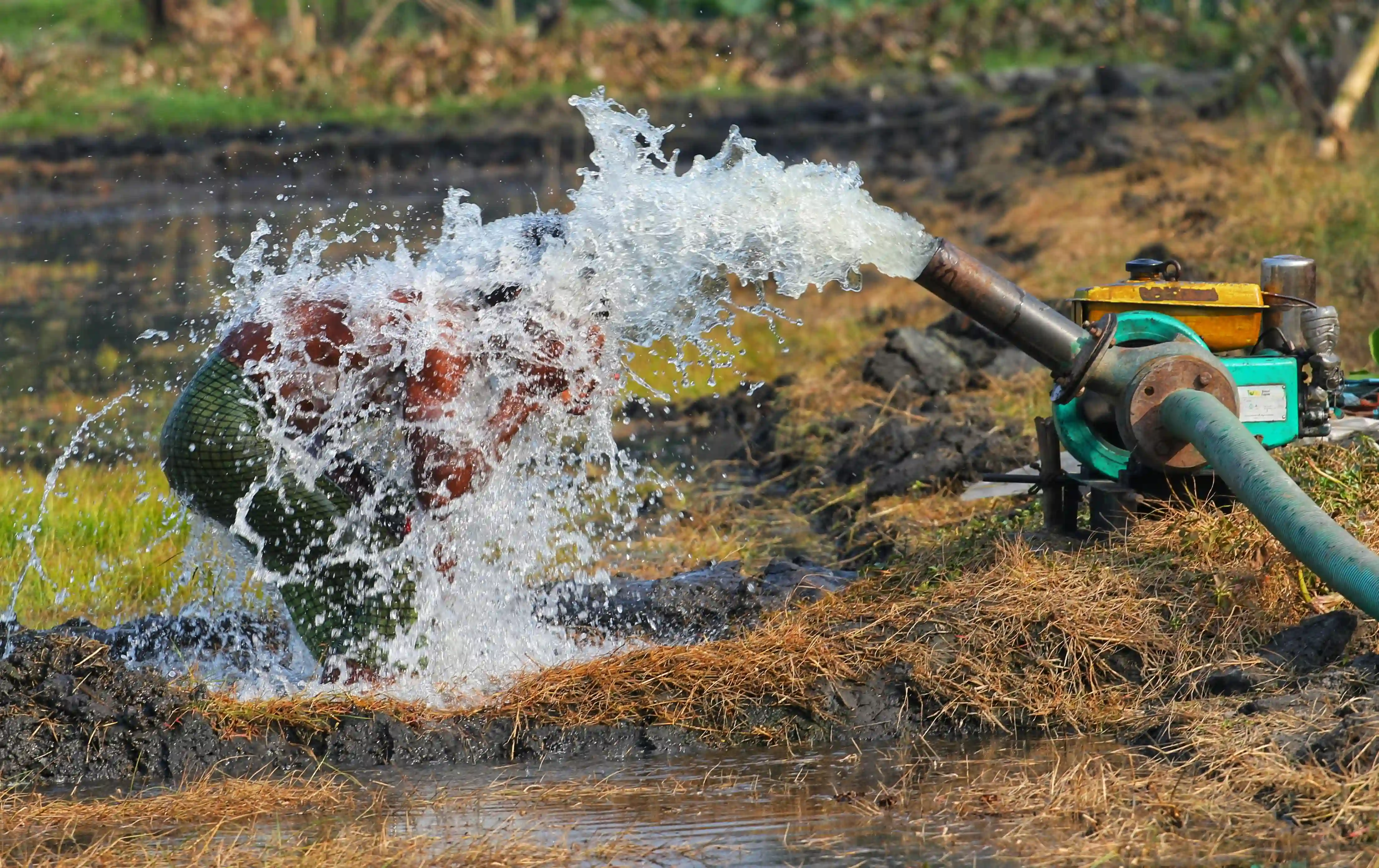
Scientific evaluation of borehole yield and groundwater sustainability
Test pumping is a critical hydrogeological procedure used to evaluate the performance, yield capacity, and long-term sustainability of a completed borehole. In Kenya, where groundwater conditions vary significantly across regions, test pumping provides essential data to determine whether a borehole can reliably support its intended water demand.
The process involves pumping water from a borehole at controlled rates over a specified period while monitoring drawdown and recovery levels. This allows engineers to assess aquifer characteristics such as transmissivity, storage capacity, and recharge rate with high accuracy.
Our test pumping services ensure that every borehole is scientifically validated before full-scale use. This prevents system failure, over-extraction, and inefficient pump sizing, ultimately safeguarding your investment in groundwater infrastructure.
The borehole is cleaned, stabilized, and fitted with a temporary or permanent pump system suitable for controlled discharge testing.
Water level loggers, flow meters, and pressure gauges are installed to accurately track drawdown and recovery rates throughout the test period.
The pump is operated at increasing discharge rates to determine the efficiency and optimal operating point of the borehole.
The borehole is pumped at a fixed rate for several hours to several days depending on requirements, while monitoring groundwater response.
After pumping stops, water level recovery is measured to assess aquifer recharge speed and long-term sustainability.
Collected data is analyzed to generate a detailed hydrogeological report including safe yield recommendations and pump sizing guidance.
Without proper test pumping, borehole owners risk overestimating water availability, which can lead to system failure, pump burnout, and water shortages. Test pumping ensures that the actual yield matches the intended usage requirements.
In many Kenyan aquifers, groundwater behaves dynamically due to seasonal recharge variations and geological differences. Test pumping helps identify these behaviors under real operational conditions rather than theoretical estimates.
This process is also essential for regulatory compliance and is often required before official borehole commissioning and certification.
The duration and complexity of test pumping vary depending on geological conditions and project objectives, ranging from a few hours to several days.
Professional test pumping ensures accuracy, safety, and long-term reliability of your water system. It eliminates guesswork and provides scientifically backed data for decision-making.
By working with experienced hydrogeological experts, you ensure that your borehole is optimized for performance, sustainability, and regulatory approval.